A Report on the Do-Track at WPC60-NCC, Philippines
The 60th World Planning Congress Diamond Anniversary Series, held in New Clark City, Philippines, included the so-called Do-Track: a special session exploring the concept of “New Regenerative Cities.” This summary delves into the Do-Track’s approach, key discussions, and outcomes, with the ultimate goal of creating a Manifesto for emerging cities.
The Challenge of New Cities
Much of the planning world increasingly focuses on regeneration, bringing nature back into existing cities, climate change adaptation, and many other topics around already existing places. But what about the cities that do not yet exist? What about all the new towns, mainly emerging in the Global South? Here, we do not want to repeat the same mistakes of the past; instead, there is an opportunity to leapfrog innovation cycles and subsequently get them right on the first attempt. We cannot afford to create cities that are not resilient anymore. Getting it wrong and fixing it can be costly and will prevent us from bringing the earth’s system back into balance before time has run out.
New cities are a widespread, global phenomenon. They are centrally planned projects, typically driven by a strong vision. Yet we see a huge gap between the vision they promote and its realisation. We regard this gap as a lack of Emotional Value embedded in the plan: the meaning that people, with their stories, give to a space.

A Manifesto in the Making
The Do-track at the conference in NCC was a first step to test Placemaking as the participatory methodology for critical thinking, capacity building, and development of planning principles for new city planning. The goal is to produce a collaborative Manifesto for New Regenerative Cities.
The Manifesto will collect a series of urban planning principles for new town projects around the world inspired by documents such as the UN-Habitat Handbook with International Guidelines On Urban and Territorial Planning, among others.
The first Do-track in New Clark City focused on the creation of a framework for the Manifesto, which uses the location and the nature of a place, as a planned new city in the making, and frames it within a global perspective on future-proof, new, ‘well-planned’ cities. New Clark City was the starting point and first case-study of the Do-track, before opening the scope to all the newly emerging cities, mainly in South-East Asia, in the Indian Subcontinent and Sub-Saharan Africa.
With the Manifesto we want to offer an inspiring image and working document for regenerative city prototyping, to be edited, expanded, and developed more in depth through new cases around the world and with the input of different stakeholders. The goal is to kick-start a conversation and offer a platform for exchanging ideas.
Placemaking in New Cities
The Do-Track’s Planning and Placemaking Charette was inspired by the University of Melbourne’s (UoM) Placemaking Sandbox. This methodology equipped the participants with intellectual and creative tools to explore multiple place-based issues to support more resilient, inclusive communities.
The Do-Track aimed to amplify the long-term benefits of placemaking by strengthening connections between place, self, community, and nature. Through a series of workshops and practical exercises, participants engaged in critical steps of placemaking. It provided a series of workshops and practical exercises on the critical steps of placemaking. Placemaking is a way of shaping spaces to create meaningful experiences.
Placemaking is a worldwide movement that presents opportunities to increase the collective consciousness towards the fundamental rights of humans and non-humans to place. It is a process of engaging, building capacity, and empowering people with the knowledge and skills to shape positive public space outcomes, cultivate place attachment, sense of belonging, and place stewardship, all linked to engaged citizenship, positive health and well-being, and safer, more inclusive cities.
The Placemaking component of the Do-track covered the topics of people in place, nature in place, place leadership and governance and community engagement, place evaluation, and the economics of place. These discussions informed the creation of a framework for the Manifesto. Different models for placemaking were explored, such as tactical urbanism, guerrilla urbanism, creative placemaking, and regenerative placemaking, offering critical insights into diverse approaches to reimagining public spaces.
The Do-Track in New Clark City
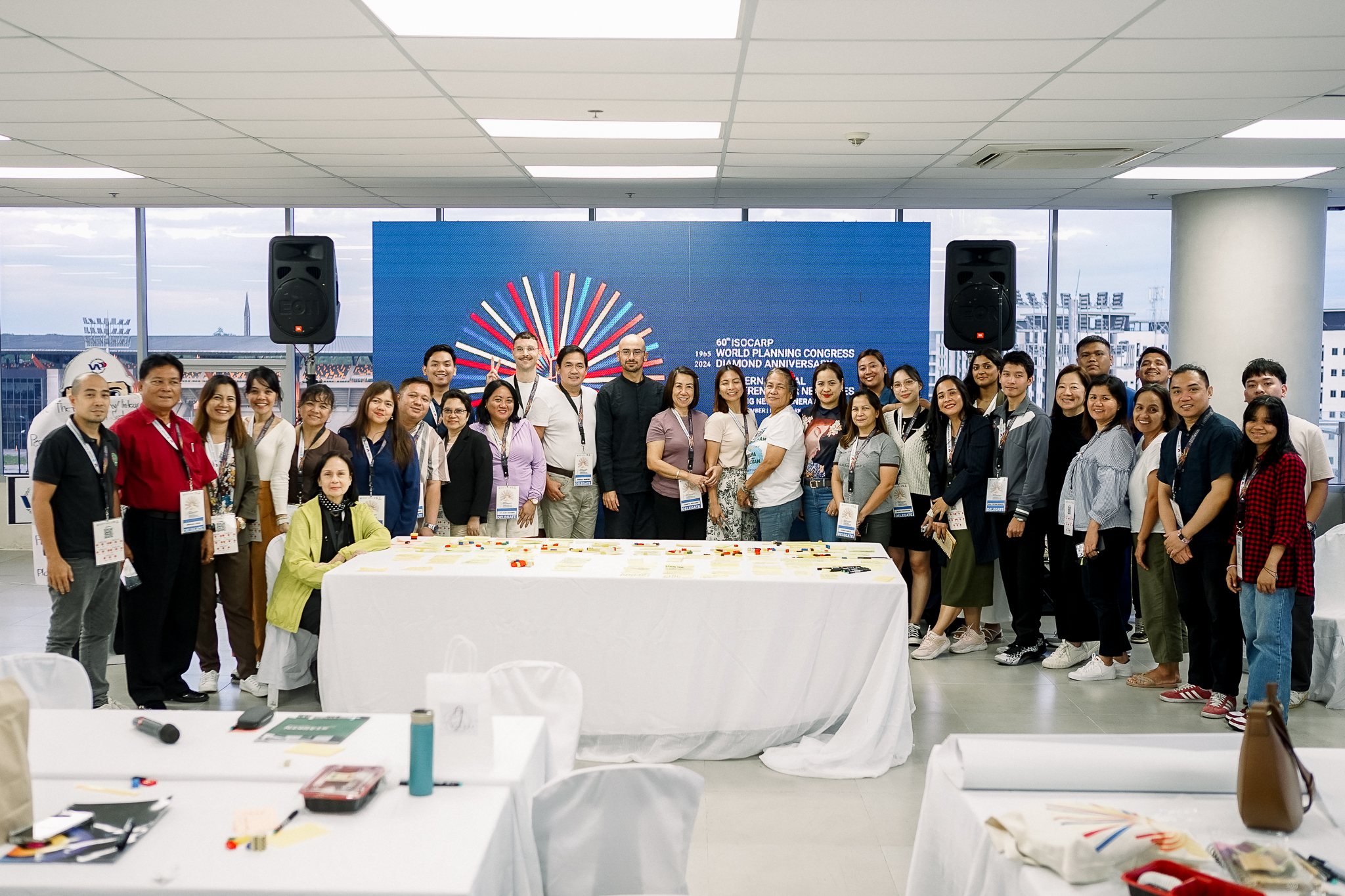
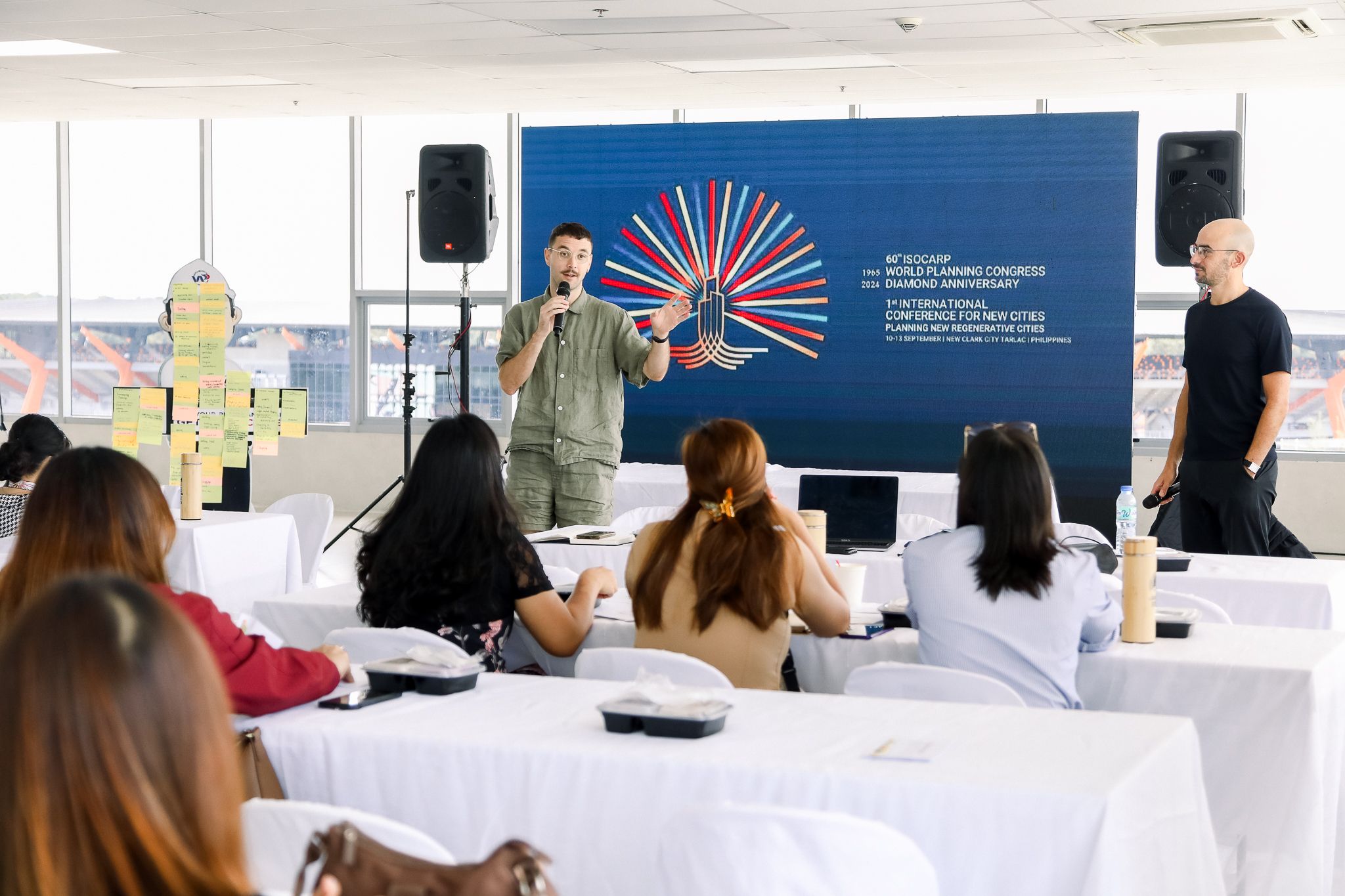
The Do-Track at WPC60 in New Clark City consisted of a series of lectures, workshops, site visits, and debates, developing over three days. A group of around thirty participants joined the sessions, hosted by Giacomo Gallo, Harold Delima and Robert Younger.
The core idea of the Do-Track is to stimulate critical thinking by combining direct experience of places with research and design explorations. Therefore, in addition to the conventional conference sessions, we stimulated active participation through immersive placemaking workshops and went on site visits, engaging with locals, asking questions, immersing ourselves into the context where the conference took place.
The programme kicked off with a lecture exploring the definition of “New Cities” through examples from history and current planning projects. The master plan for the new town New Clark City served as the starting point and main inspiration for the discussion. What values, economic reasons, environmental forces, and ideologies drive the foundation of new cities? What factors determine the failure of several of these projects? But, most importantly, what can we do, as planners and designers, to make new town plans more sustainable, inclusive, and aligned with nature?
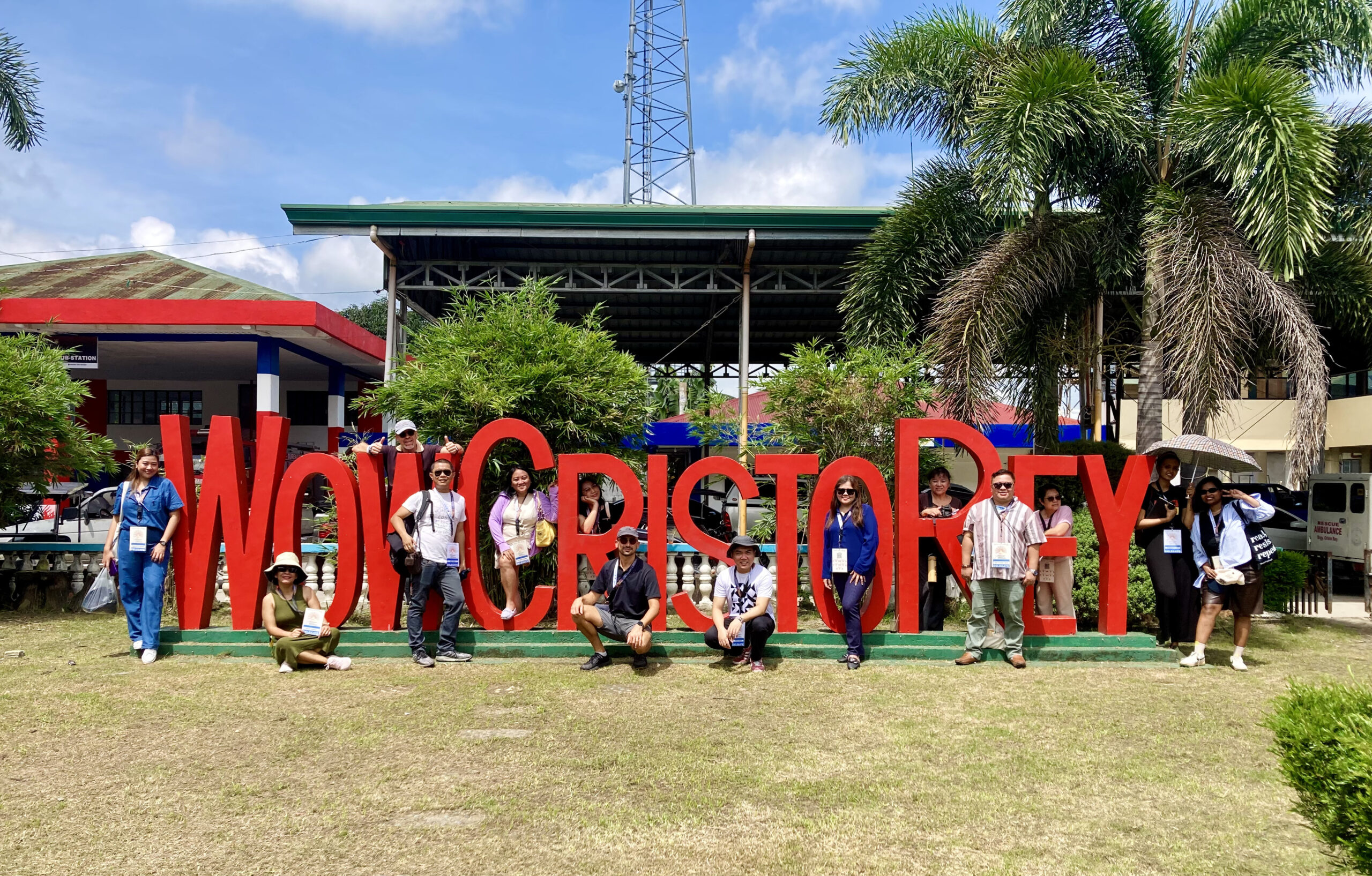
As the conference developed, two groups embarked in site explorations of New Clark City and the bordering village of Cristo Rey, a new town project on its own.
The visit to the grounds and surroundings of New Clark City focused on the border between landscape and city, exploring a river park project, as the central element in the current plan. One of the major highlights of this excursion was the understanding of the principle for regenerative city planning of “alignment with territory”, emphasizing the need for the new city to respect natural borders and rhythms: a dimension that has been subsequently incorporated in the Manifesto.
The trip to Cristo Rey was of a more social nature, diving into the way people live the city in an “old new town”, a planned settlement from the 1940s, now fully appropriated by its inhabitants. The group joined a meeting of the local administration (Barangay), interviewing the council and “captain”. A key question was how the old settlers regarded the new city project under development next door; what opportunity they saw in it and how they were involved in the planning process.
Along the three days, several placemaking workshops took place, exploring the different dimensions of Place. Those were, namely, the workshops “People in Place”, “Nature in Place”, and “Place Evaluation”. Through these collective activities, we crafted an initial framework for the Manifesto, based on the four dimensions of Place: Self, Nature, Public & Private Space, Community. It is precisely at the intersections of these four dimensions that we looked for guiding principles for the Manifesto and discussed pathways for its implementation and dissemination.
The closing plenary of the conference represented the occasion to present the results of the first Do-Track to the broader audience of conference delegates, ISOCARP, the local committee, and the Tarlac Province. We did this in a collective and festive way, engaging with the audience and marrying, in the spirit of the Do-Track, words and actions!
Moving Forward: A Call to Action!
Our work continues, developing the Manifesto with a group of planning and placemaking professionals, sharing knowledge at conferences and events, and testing it with stakeholders around the world.
The Manifesto for New Regenerative Cities aspires to be a living document – an inspiring framework and starting point for conversation and collaboration. The first-ever Do-track has been a unique opportunity to test with a group of professional planners, designers and policy makers a new, participatory methodology for critical thinking, capacity building and development of planning principles for new town planning. After the experience in New Clark City, a core group of curators and participants is actively refining the methodology for future implementation in conferences, events, and workshops, within ISOCARP and partner organisations, such as UN-Habitat.
Following the experience in New Clark City, interest in the Manifesto was shown at the World Urban Forum in Cairo, Egypt, and at the Eastern Regional Organization for Planning & Human Settlements (EAROPH). An updated version of the Manifesto for New Regenerative Cities will be presented by the curators at the 29th EAROPH World Congress in Islamabad, Pakistan, in December 2024.
We are planning a series of meetings with a group of interested parties in the upcoming months. The first will be an online workshop in December 2024, where we discuss how to bring the Manifesto to the next level, testing its content with a larger group of experts and looking for opportunities for publication, using the network of international organisations such as UN-Habitat and ISOCARP.
We are looking for enthusiastic urban planning and design professionals from all over the world to join the discussion about New Regenerative Cities and contribute in shaping the Manifesto.
Join the movement!
The Do-Track is curated by a collaborative effort of NEW ENVIRONMENT, Placemaking Davao, Place Agency, with Dr Gregor H. Mews, and with the support of ISOCARP.