By Jens Aerts
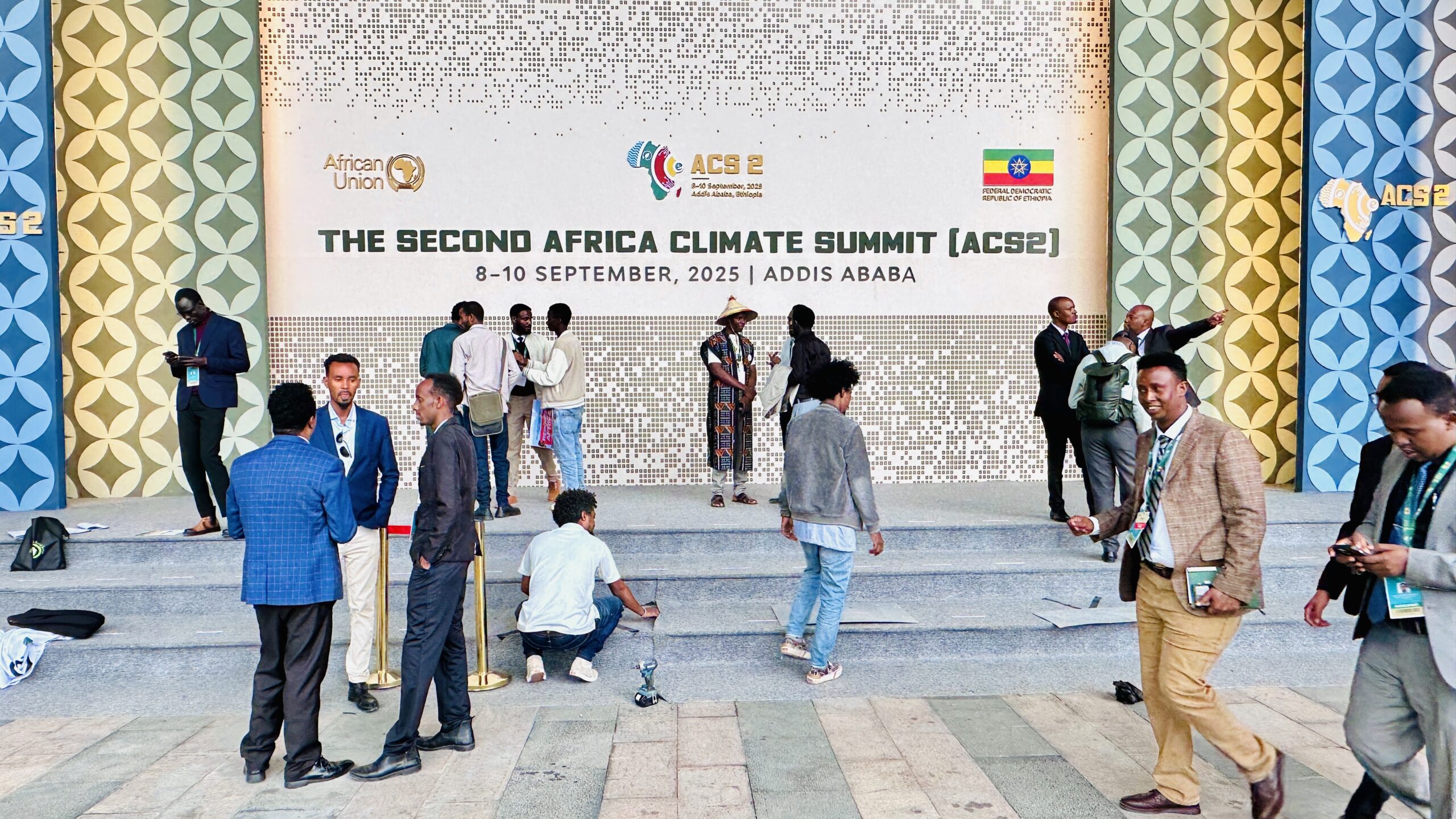
Last year Addis Ababa, the government, the African Union and UN-Habitat hosted the first African Urban Forum. Last month, the government and the African Union hosted the second Africa Climate Summit, which unfolded as an ambitious, Africa-led gathering for member states, development partners, knowledge institutions and climate advocates to share experiences and start new initiatives.
As we all have started living in a post-USAID world, with many other countries cutting their annual efforts in Development cooperation, Africa leadership also has become more self-aware that solutions to adress climate change is upon themselves. Even more, Africa seems to realise that they play a pivotal role in climate mitigation – with enormous carbon sink forests and green energy potential – and in adaptation – through international but also domestic climate finance solutions. Although the finance gap for climate adaptation has skyrocketed to a mindboggling $1,3 billion USD, it not the size but the lack of accountability that gets African leaders nervous: it is the polluting, developed world to pay, and it should be developing coutries to controle how carbon credits should be managed, not the polluting countries. As expressed in the summit declaration “Accelerating Global Climate Solutions: Financing for Africa’s Resilient and Green Development”, Africa calls for regionalisation and walking the talk. With the declaration African leaders anounced the establishment of the Africa Climate Innovation Compact (ACIC) and the African Climate Facility (ACF), which are aiming to mobilize $50 billion.
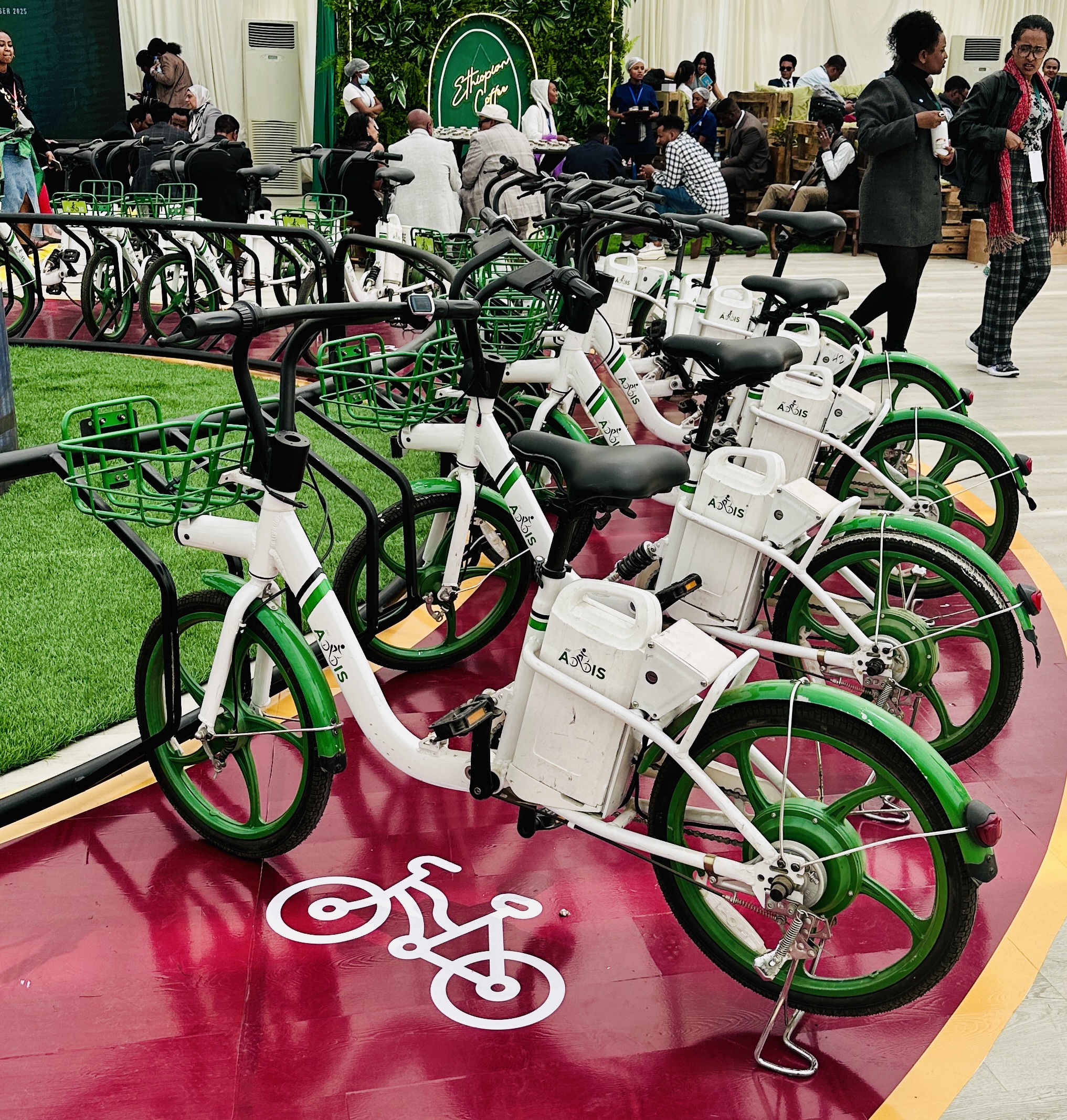
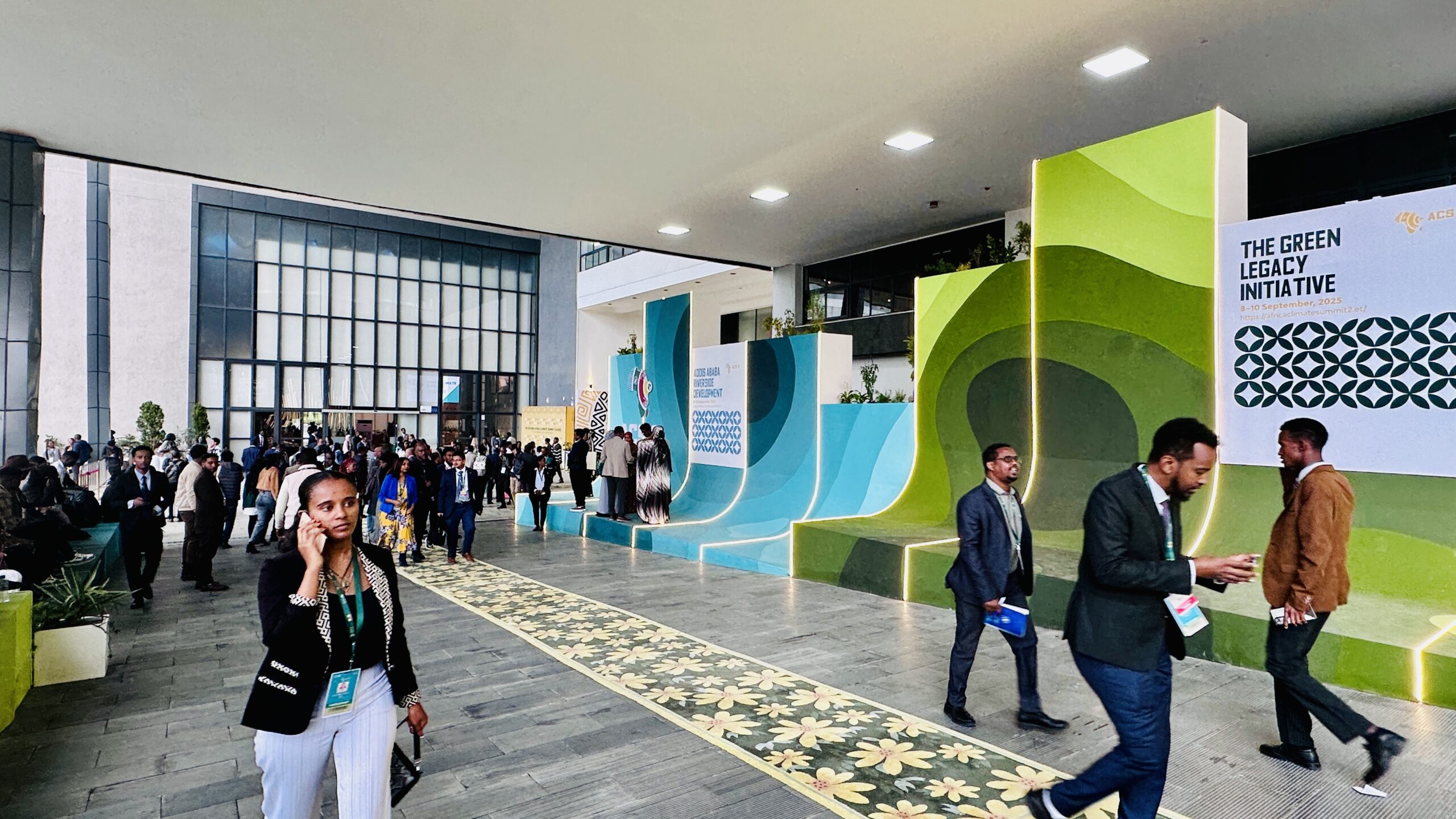
Africa surely is still a miserable place for many people, lacking the most basic services and heavily affected by wars and climate change induced natural disasters. At the same moment it is also clear that Africa leadership is rising, calling upon Africa-led solutions and building upon impressive climate action projects such as the transnational Great Green Wall Initiative, the African Forest Landscape Restoration Initiative, and the Ethiopian Green Legacy Initiative. While Africa seems to stand up consciously as the stock exchange for global climate financing mechanisms, cities will profile themselves as brokers for climate action, as places where smart development can be carbon neutral and climate resliient. For example, supported by C40 the megalopolis of Lagos has developed a climate action plan, as a five-year strategy to make the city carbon neutral. Addis is electrifying very fast all vehicles, from cars to busses, trusting that the recently inaugurated Grand Ethiopian Renaissance Dam will provide green power for all its needs. Networks like ICLEI Africa are supporting cities to offer trainings and incentives for local entrepreneurs, so to green their building stock and transports systems, from retrofitting to maintenance, while also providing climate services and technological applications.
For ISOCARP it is clearly relevant to follow closely what happens in Africa and to build a strong base of members and partners in Africa. Not only the size and speed of urbanisation is unprecedented, also the rythm of summits and mayor events focusing on our largest contintent is getting faster.